How to Plan a Smooth Home Renovation with Custom Cabinetry
A kitchen renovation can be an exciting project to take on! However, the process can be lengthy, with countless small decisions and details to keep track of. As designers, we know how quickly it can become overwhelming. So, whether you’re planning to fully gut your space and start fresh, or you’re simply looking for a refresh, here are eight tips to help you plan a smooth renovation.
1) Find Connections Early
As you begin thinking about the scope of your project, you’ll want to start reaching out to the right professionals. Depending on whether you’re doing a renovation, changing the layout, or simply updating cabinetry, there are different experts who can help.
For more extensive renovations, consider contacting a general contractor or interior designer. If your focus is primarily on the kitchen itself, you may want to work with a designer who specializes in cabinetry and kitchen functionality.
2) Plan a Realistic Budget
Renovation costs can vary greatly depending on the scope, materials, and labour involved. Start by determining what you’re comfortable investing in the project and always include a buffer for unexpected expenses.
Some companies even offer preliminary budget pricing or linear-foot estimates, which can give you a helpful starting point as you plan out your budget.

3) Function Comes First
As fun as it is to think about finishes and fixtures, it’s essential to consider how you actually use your kitchen. Think about how you cook, how your family uses the space, and what your daily workflow looks like. A kitchen can look beautiful, but if it doesn’t function well, it can quickly become frustrating – so its important to prioritize the layout and function of your space.
4) Plan Your Appliances
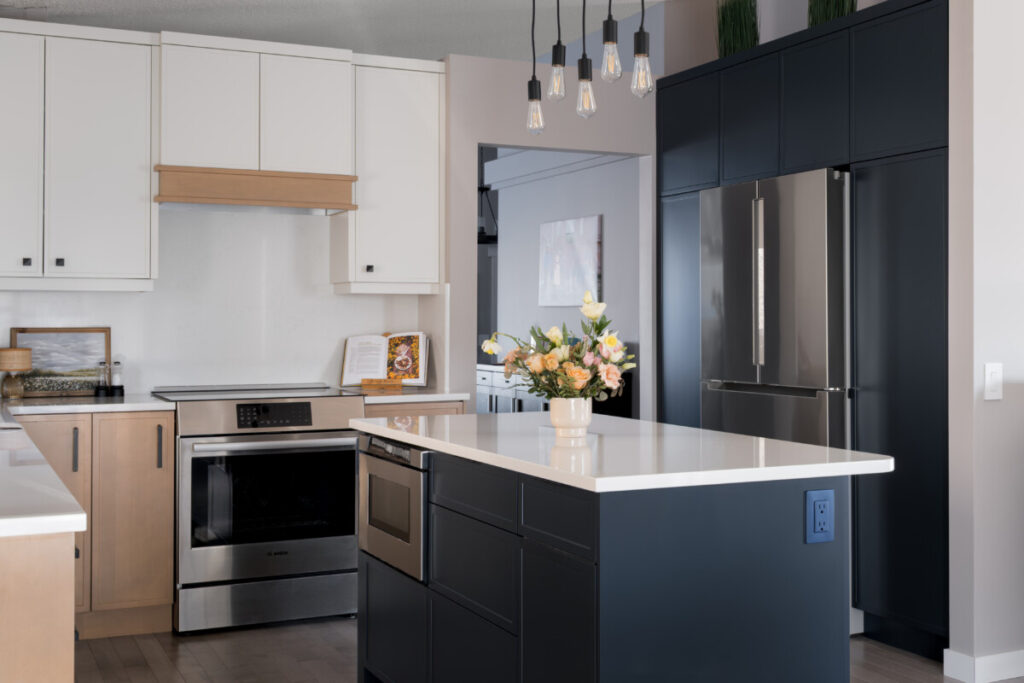
You don’t need to purchase appliances early on, but you should decide whether you’re buying new, reusing existing ones, or changing appliance types altogether. Let your designer know what you’re planning – for example, a cooktop and a wall oven versus a full range, or the size and style of refrigerator you prefer. These details significantly impact layout and cabinet planning. If you need some help getting started check out our blog: Choosing the Right Appliances, Part 1 and Part 2
5) Invest in Quality Cabinetry
Cabinetry is typically the largest visual and financial component of a kitchen renovation. We always recommend prioritizing quality construction. Well-built cabinets can last decades, making them one of the smartest long-term investments in your kitchen.
6) Choose Timeless Finishes
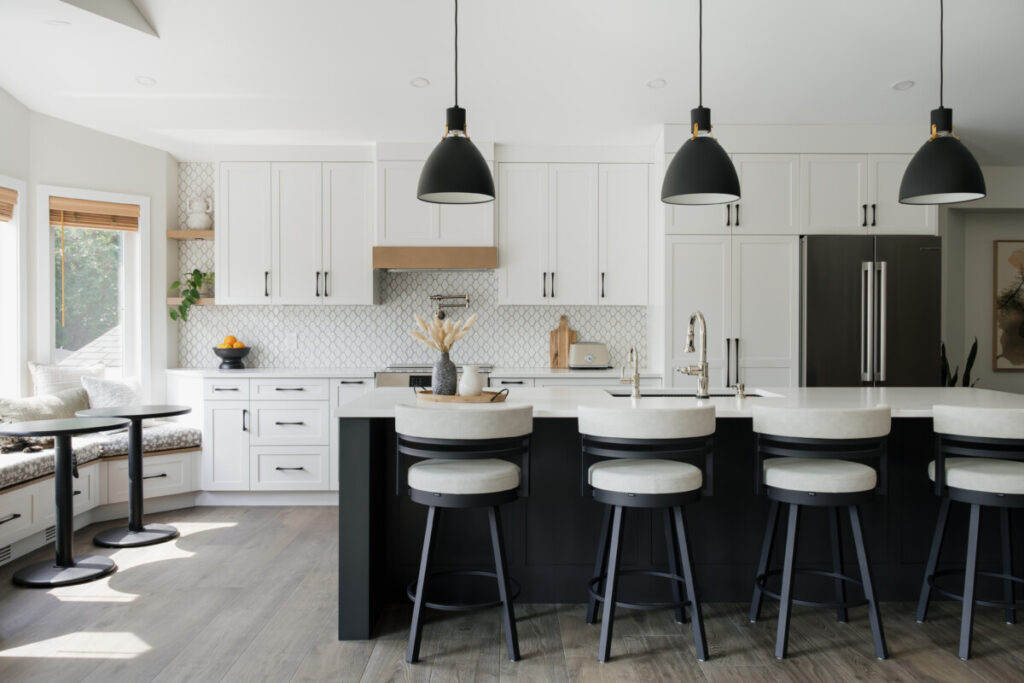
Because cabinetry is such a significant investment, it’s important to choose finishes you’ll love for years to come. As designers, we enjoy incorporating current trends and your favourite styles, but we can also help anchor your space with timeless elements that will create a balanced design to ensure you’re going to love your kitchen many years.

7) Plan for the Storage You’ll Need
Once you’ve thought about how you use your kitchen, create a list of the types of storage you’ll need. We can help you incorporate cabinet inserts and features for everyday items like utensils, cutlery, and small appliances – or for more specific needs like food storage containers, water bottles, or baking trays. Thoughtful storage planning reduces countertop clutter and makes it easier to keep your kitchen organized.
8) Prioritize Clear Communication
Clear communication is essential when working with contractors, designers, millworkers, and other trades. Discuss timelines, budgets, and expectations early, and stay connected throughout the process. Regular check-ins help ensure everyone is aligned and that your renovation runs as smoothly as possible.
When designing a new kitchen, our goal is to create a space that supports your daily life and can be enjoyed for many years. With thoughtful planning, realistic expectations, and attention to detail, your kitchen can become one of the most rewarding investments in your home.
If you’re currently planning a renovation, take your time in the early stages. The more intentional your decisions, the more confident – and satisfied – you’ll feel when your new kitchen is complete.